Bio - MENTOR
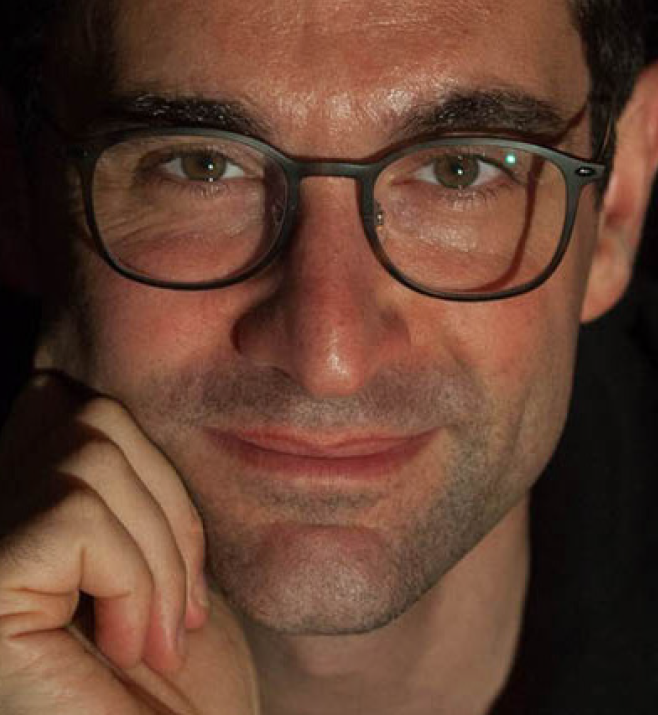
Alix Ferraris is a recognized producer and the director of the Corsican festival Les Nuits Méditerranéennes, dedicated to short films and the development of the Mediterranean film industry.
He founded and directed the production company 24 images, through which he has supported numerous emerging talents and produced around thirty films, several of which have won international awards.
Committed to training and mentoring, Alix Ferraris regularly participates as a mentor and artistic advisor in development labs and programs. He draws on his production experience and storytelling insight to help filmmakers transition from short to feature-length films.
Bio - Bamar Kane
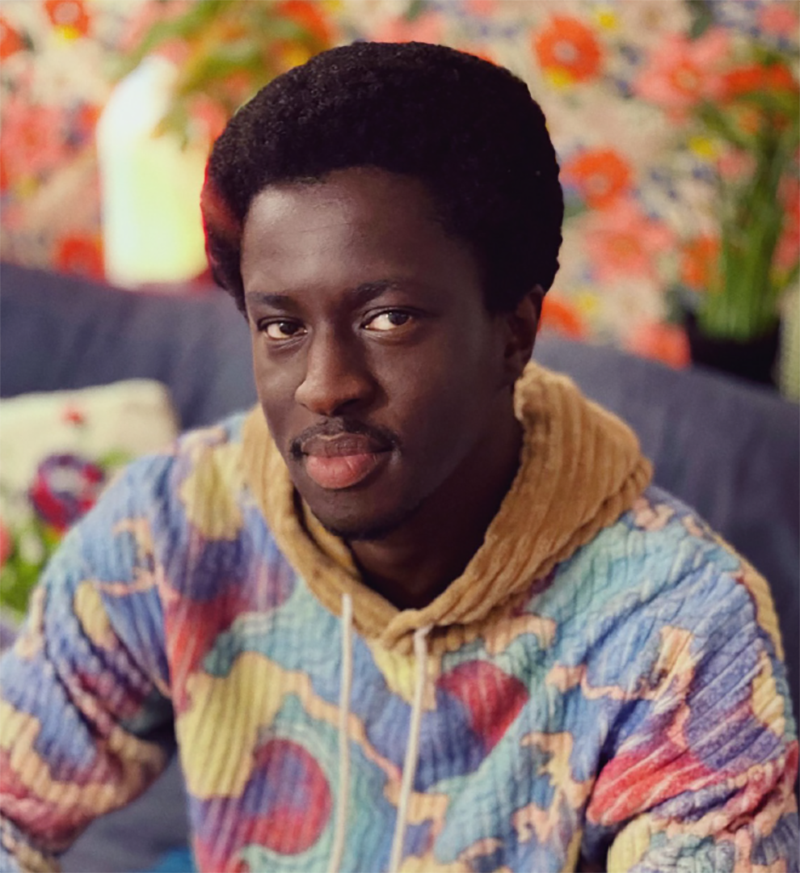
Bamar Kane, a Senegalese actor and director, has appeared in several films, including Tirailleurs and Io Capitano. Graduated in New Writing, he develops films and series and is participating in the Création Africa delegation at the 2024 Clermont-Ferrand Festival.
Film: Amy Ndiaye
Every day, Amy watches her husband return home, demand everything, and do nothing. One day she rebels, and a violent argument breaks out. When her daughter intervenes to protect her, an accident occurs and the husband dies. Because the family is highly respected in the neighbourhood, the mother, daughter and granddaughter decide to hide what happened. To avoid shame, prison and gossip, they try to make the death look like a domestic accident. As visitors, relatives and neighbours circle around the house, secrets emerge, alliances shift and three generations form an unexpected sorority, determined to hold together until the funeral.
Bio - Khadidiatou Sow
Trained in Paris (Ateliers Varan) in 2007, Khadidiatou Sow made her first short films. Her film ‘Une place dans l'avion’ (A Seat on the Plane) was selected for several festivals and won several awards, including: African Movie Awards (Lagos) and Clap Ivoire (Abidjan) in 2017, Les Nuits en Or des César (France) in 2018, and the Etalon d'Argent award at Fespaco (Burkina Faso) in 2019.

Film: Reela
On Malika beach, near Dakar, a teenage girl dreams of becoming a hairdresser and marrying a wrestler. Ten years later, Reela is a talented young woman, torn between her ambition and her family's expectations. As the city erupts in protests, she enters a hairdressing competition that could change her life.
Her fiancé Abdou, protective and authoritarian, demands that they marry on a set date: the same day as the competition final. In a tense climate where democracy is faltering, Reela searches for her voice.
Bio - Mathias Noussougnon
Mathias Noussougnon is a Togolese director and editor, trained at ESEC (Togo) and La FÉMIS (France) in documentary filmmaking. He has directed several socially engaged films, one of which received awards at international festivals.

Film: Je ne mange pas l’argent
This film explores the tradition of bartering in Togoville. Rather than showing the usual images of the market and its colorful chaos from a distance, it follows a more intimate path.
Through the daily life of Momo, a young boy, his grandmother Da Vaudou the fisherwoman, Améyo and Mr. Saison, we discover a way of life chosen rather than endured: simple, communal, and still largely preserved from the ideology of progress and money. The lake stands as a natural and symbolic boundary, while the constant flow of tourists disrupts a fragile balance by bringing foreign currency. Bartering, for now, remains protected and carries values of fairness, generosity and solidarity, in contrast with money, which often divides.
Bio - Nina Khada
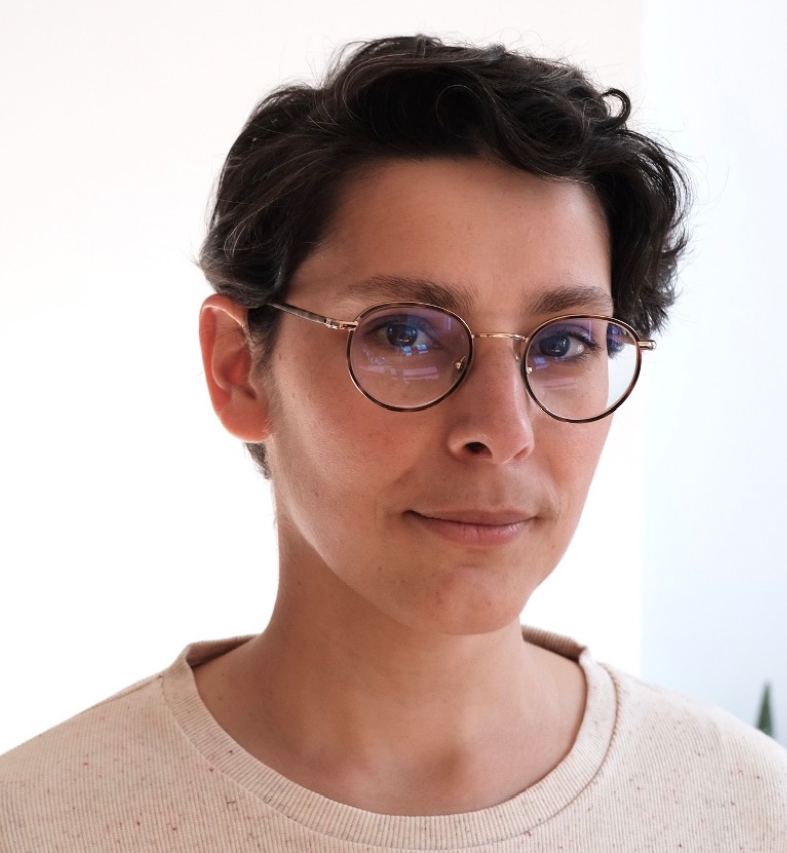
Nina Khada, a Franco-Algerian director and editor, explores identity and memory through her films and documentaries. Awarded for Fatima and Je me suis mordue la langue, she directed Gardiennes de nuit, continuing her family trilogy.
Film: Tomorrow you will be home
Aurès Mountains, Algeria – 1890, during the French colonisation M’Barek (18), Azzouz (50) and Khedija (35) didn’t know each other a few days ago, but now they are forced to walk across the scorching steppe together. They have all fled their respective situations and are now trying to find the Aarch N’ssa tribe of nomadic women, who may be willing to take them in.
Bio -Sami Farah
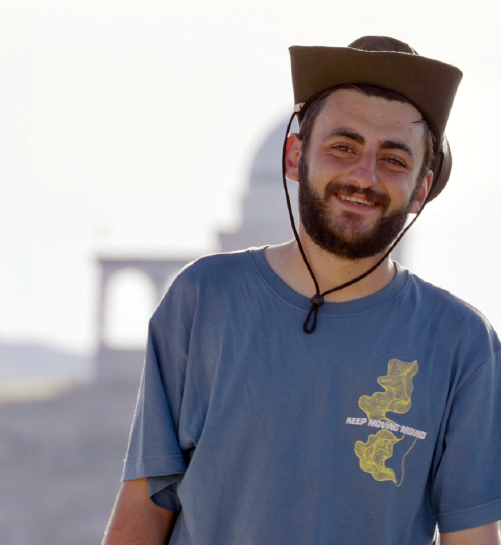
Sami Farah is a Syrian film director and former civil engineer who specialises in short films focusing on human stories in the context of war and social conflict. His works explore memory, identity, and the power of art to transform reality and convey humanitarian messages in times of crisis, through a simple and effective visual style. His film Light and Dust has won several international awards, including Best Film at the FIFC Festival in 2023.
Film: A small narrow room, and nothing more
In the midst of the civil war in Syria, Nidal, a former theatre actor, lives alone in a small flat in Latakia since his wife died in an attack. Limping and consumed by guilt, he feels lost, until one day he discovers a notebook she had written: stories of victims and forgotten people, intended to become a play he never dared to stage. Determined to honour her memory, he begins to prepare the show. In the streets, he tries to tell these stories, but no one listens to him. A teenager, Ayman, steals the notebook to read it and recognises his own pain in it: his father disappeared in the war, and he wants his memory to live on forever. Little by little, Nidal and Ayman find a way to pass on the stories: by telling the stories of others so that they themselves will not disappear. When Nidal is arrested, Ayman begins to write his own stories.
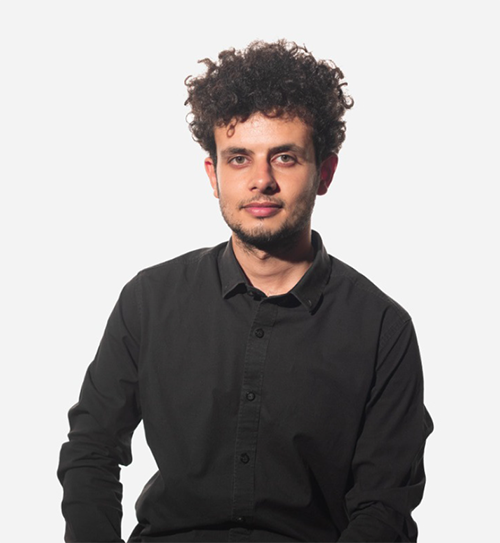
Bio -Youssef Abanoub
Youssef Abanoub, Egyptian filmmaker from Minya with a communication degree, topped his master’s in Tunisia on a cultural scholarship. Creator of six award-winning shorts, he is developing his first feature while pursuing research in Portugal.
Film: Road to the blue
In a remote village, Abdel-Ghani lives with five elderly women from his family who have never left their home. After his father’s death, he dreams of seeing the sea for the first time and convinces them to leave, claiming he has found the path to the Garden of Eden behind the eastern mountains. What begins as a religious journey is, in fact, his attempt to open a new window to the world for them and for himself. On the road, their discovery of unfamiliar places tests faith, knowledge, and the desire to see the world for the first time.